Health audit highlights problems for people experiencing homelessness in Watford
A Homeless Health Needs Audit (HHNA) has shown those experiencing homelessness in Watford were too often unable to access health care services, or had their access delayed, which is having a far-reaching impact on their quality of life and life expectancy.
The audit was undertaken by New Hope with funding support from Hertfordshire County Council and the Watford Community Fund. It aims to influence and improve Watford’s homeless health strategy in the future.
Matthew Heasman, New Hope’s CEO, said: “It is clear that learning from this audit will be vital to ensure those experiencing homelessness in Watford in the future are able to live happier, healthier, longer lives.”
The audit shows that rates of physical health problems among people experiencing homelessness in Watford are higher than national figures. Almost all respondents (99%) reported at least one physical health condition, compared with 78% nationally.
The three most common conditions were:
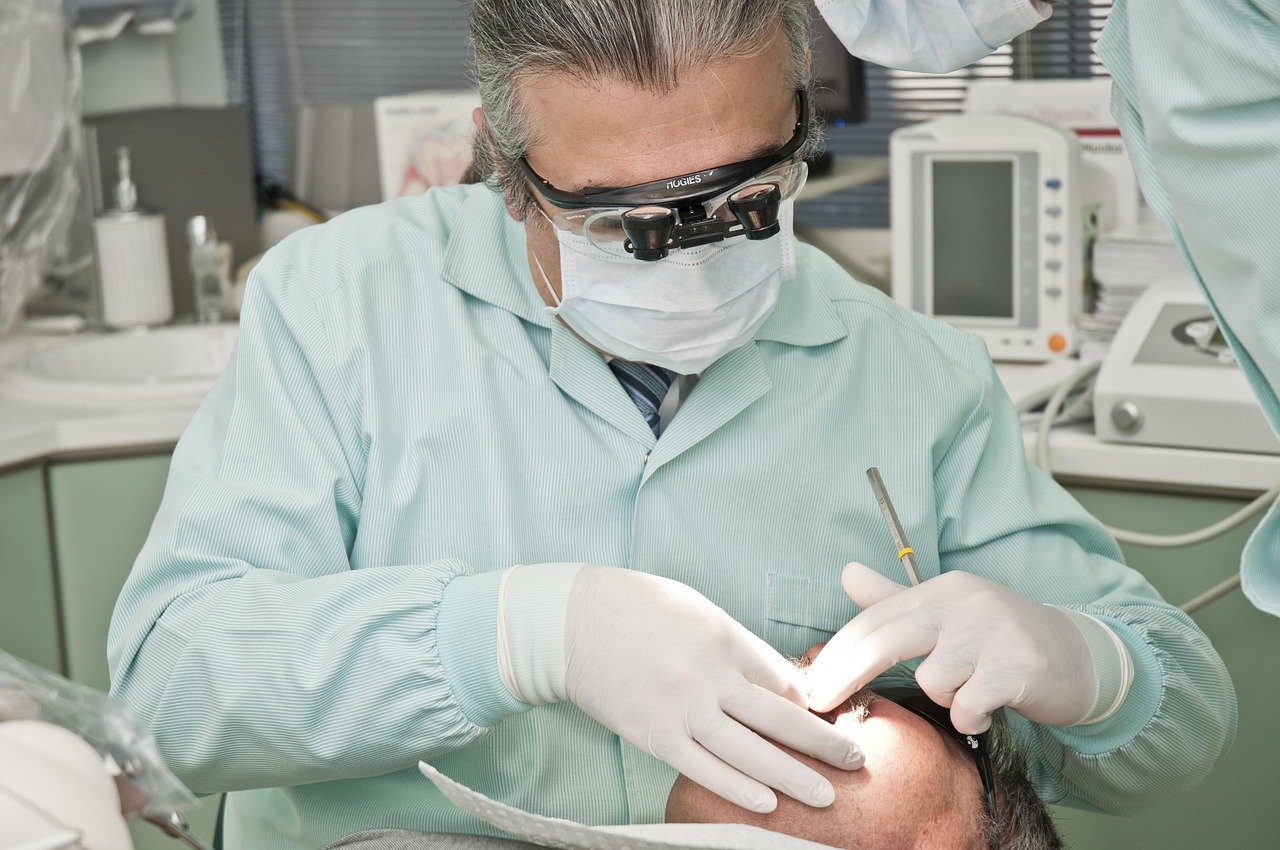
Dental and teeth problems
Joint, bone and muscle pain
Foot problems
More than a third of respondents said they wanted more support for their physical health, and 32% reported needing an assessment or treatment in the past year that they did not receive.
Mental health diagnoses were reported by 73% of respondents. While this is slightly lower than the national average, Watford shows higher rates for the most common conditions, including depression, anxiety disorders and phobias.
Access to mental health support is also a big issue:
40% receive some support but need more
19% do not receive any support
26% needed mental health care in the past year but did not receive it
Mental health issues were also found to be a major driver of A&E visits and hospital admissions, at a higher rate than nationally. This shows that when community services fail to meet needs, people turn to emergency care.
Drug use was lower than national levels. However, alcohol use above the Chief Medical Officer’s low-risk guidelines was higher in Watford.
While many people were satisfied with support for physical health, cognitive health and alcohol problems, fewer felt they received adequate support for substance use. Mental health support had the lowest satisfaction levels overall.
Registration with GP services is high, with 90% of respondents registered with a GP and 40% with a specialist homeless healthcare service. Dental care remains a concern: only 46% were registered with a dentist, and a further 11% reported being refused registration. Given that dental problems are the most common health issue, this represents a significant gap in care.
The audit shows high use of emergency services:
55% attended A&E in the last year
40% received ambulance care
The most common reasons were physical health conditions, mental health issues, and alcohol-related problems.
The audit findings show high smoking rates, low vaccination uptake, and poor nutrition remain widespread.
The audit also underlines the need to improve access to inclusive, coordinated healthcare, reduce avoidable emergency service use, and ensure people are not discharged from care on to the streets.
You can read the full report here.