
How homelessness affects women differently
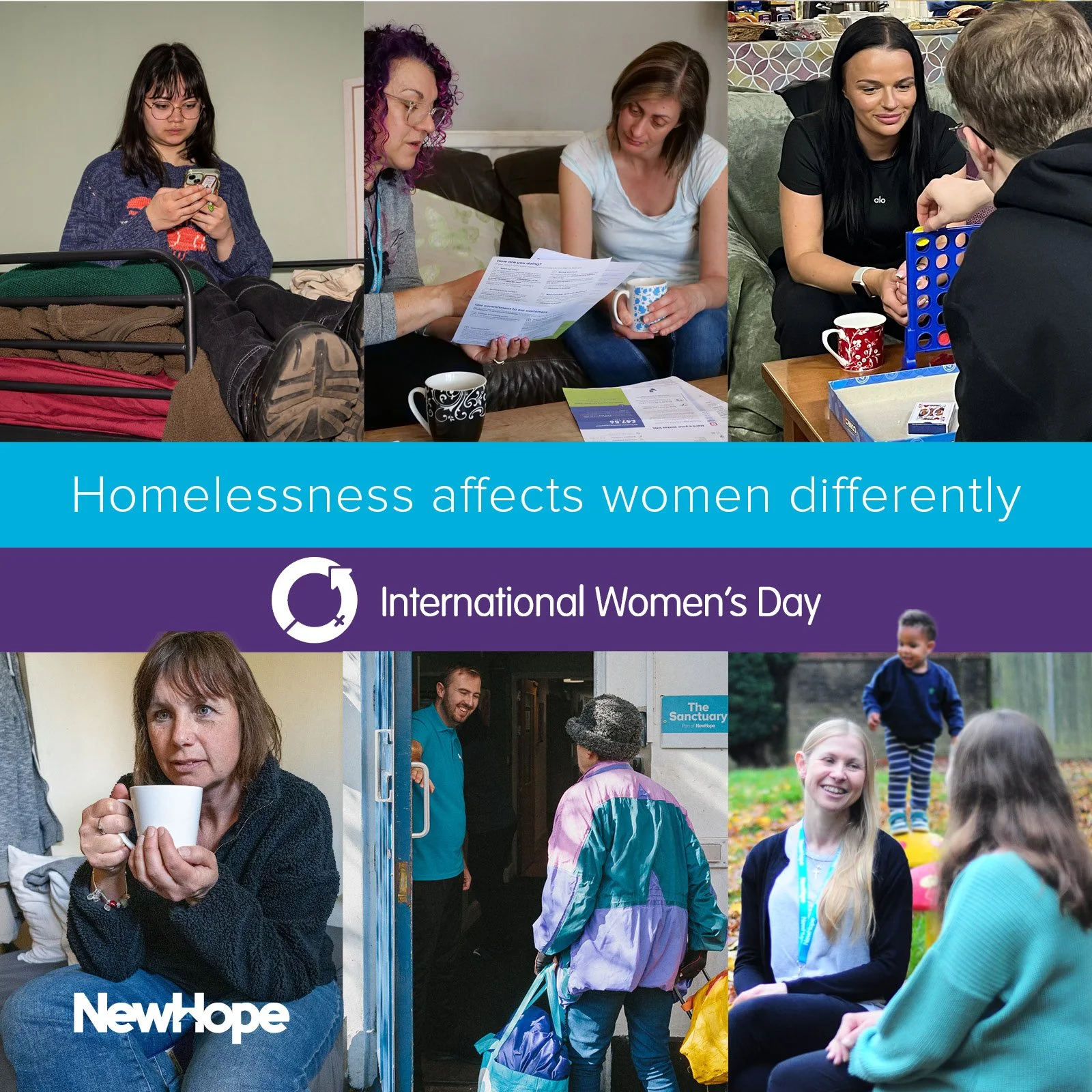
International Women’s Day (March 8) is a time to celebrate women’s achievements - but also to raise awareness of the issues that disproportionately affect women. One such issue is homelessness. Homelessness negatively impacts all people experiencing it, but women face unique challenges that often go unseen, unreported, and under-resourced.
1. “Hidden homelessness” - women are more likely to be invisible
Many women avoid sleeping rough due to safety concerns. Instead, they stay with friends or family, and drift between temporary arrangements, or stay in overcrowded accommodation. This “hidden homelessness” means women are underrepresented in homelessness statistics, leading to less support tailored to their needs.
2. Domestic abuse - a key driver of homelessness for women
For many women, homelessness is not just about lacking housing - it’s about escaping danger. Domestic abuse is one of the leading causes of women’s homelessness. Women fleeing abusive partners often have to leave home suddenly, with little time to prepare financially, logistically or emotionally. This trauma compounds the instability of homelessness and makes finding safe, secure housing even harder.
3. Safety: A constant concern
Women experiencing homelessness are at higher risk of violence, sexual assault, and exploitation. Sleeping rough or in insecure places increases vulnerability - especially at night. Women may avoid traditional shelters if they are mixed gender or lack safe spaces, pushing them into even more precarious survival situations.
4. Health and wellbeing needs are often neglected
Women have specific health needs - from reproductive health to mental health and trauma-related support. Homeless services are often designed around male patterns of homelessness, overlooking:
Prenatal and postnatal care
Menstrual health and hygiene
Trauma-informed mental health support
As a result, women may go without care that is essential to their wellbeing.
5. Barriers to employment and income
Women experiencing homelessness often face greater economic barriers:
Lower average wages
Gaps in work history due to caregiving responsibilities
Lack of childcare
Without stable income or safe childcare options, securing and sustaining housing becomes even harder.
6. Intersectionality can lead to increased discrimination
Homelessness is often even more complex for women who are:
Black indigenous or of colour
LGBTQ+
Living with disabilities
Older
These intersecting identities mean that some women face multiple layers of discrimination and exclusion within housing systems.
Searching for solutions that work
Recognising how homelessness affects women differently is essential if we want solutions that actually work.
On International Women’s Day, awareness must translate into action: better data on hidden homelessness, more safe and women-only accommodation, trauma-informed services, and policies that address domestic abuse, health needs, childcare, and income inequality together, not in isolation.
When society crafts housing and support systems with women’s lived experiences at the centre, we won’t just reduce homelessness; we will create safer, fairer communities for everyone.